Rental pricing data loading…
“A working fishing village at the end of NC-12 where charter boats outnumber restaurants and the Pamlico Sound is as much a part of daily life as the ocean.”
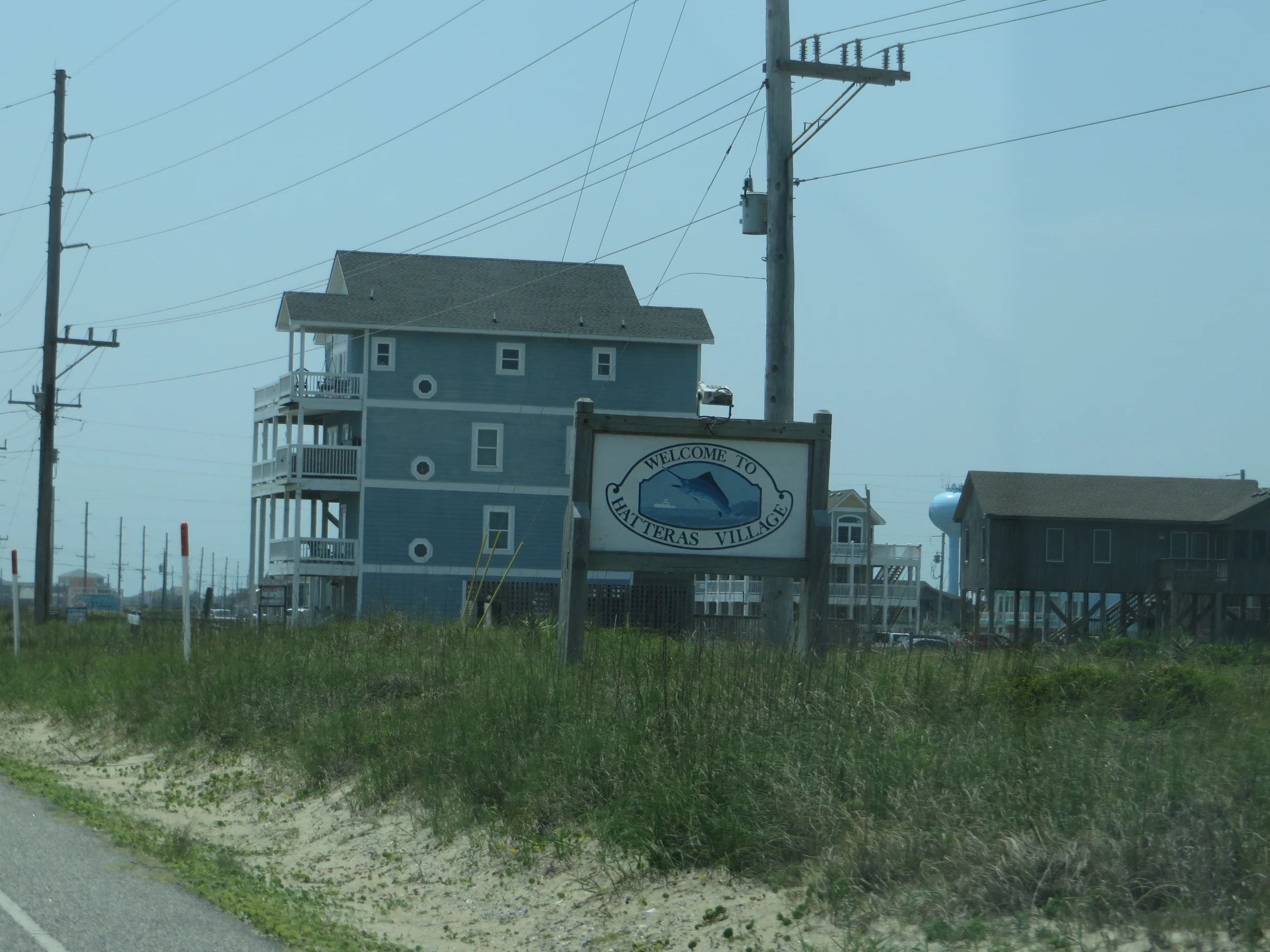
A working fishing village at the end of NC-12 where charter boats outnumber restaurants and the Pamlico Sound is as much a part of daily life as the ocean. The marinas are the village center — you'll smell diesel and fish, hear crews hosing down decks, and see pelicans lined up on the pilings. It's unhurried, unpretentious, and about as far from a resort beach as you can get while still having a good dinner within walking distance.
People come to Hatteras Village for the feeling of being at the end of the road — and meaning it literally. This is a working fishing village where charter boats still head out at dawn and come back with marlin, tuna, and wahoo. The pace is slow, the beaches are empty, and the whole place runs on island time. Repeat visitors talk about the ritual of watching the fleet come in at Oden's Dock, the day trip to Ocracoke on the free ferry, and cooking fresh-caught seafood on the grill while the sun sets over Pamlico Sound. It's the kind of place where a week feels like you actually got away — not just moved your routine to a different zip code.
What you'll remember
A Typical Day
Anglers who want world-class offshore fishing without flying to the Caribbean — the Gulf Stream is closer here than anywhere else on the East Coast, and Hatteras Harbor Marina's 23-boat charter fleet is one of the largest on the Atlantic seaboard. Families who want an unhurried, low-key beach week with built-in adventures: the Ocracoke ferry, the Graveyard of the Atlantic Museum, crabbing on the sound, and ghost crab hunts at night. Couples who want quiet and authenticity over nightlife and shopping. Your week will revolve around the water — fishing, beaching, kayaking the sound — with evenings split between cooking fresh seafood and walking to one of the village's handful of good restaurants.
Restaurant options are about 15 spots, and several are seasonal — Dinky's and Sonny's stay open year-round, but off-season visitors should plan to cook most meals. NC-12 is the only road in and out, and it can flood in serious storms. Cell service is spotty this far south — download what you need before you arrive.
Rental Pricing Guide
Median weekly · Peak summer (Jun–Aug)Full Scorecard
Right Now
Things to Do
Before You Go
Hatteras–Ocracoke Ferry: Complete Logistics Guide
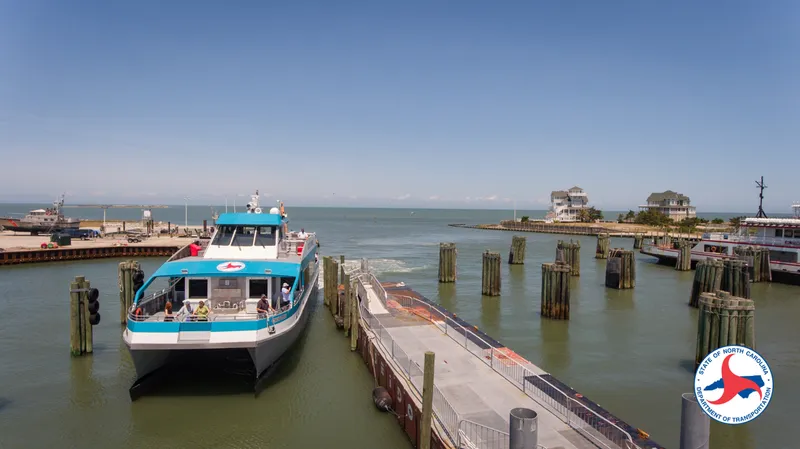
The free vehicle ferry from Hatteras Village to Ocracoke is the only vehicle access to Ocracoke Island. No reservations — first come, first served. Current crossing time is approximately 80 minutes due to rerouting through Rollinson Channel.
The Basics
The Hatteras–Ocracoke ferry is operated by NCDOT and runs year-round. It's free for all vehicles, passengers, and pedestrians. The crossing takes approximately 80 minutes across Hatteras Inlet — NCDOT rerouted ferries through Rollinson Channel in December 2023 due to shoaling, adding about 20 minutes to the historical 60-minute trip. The ferry terminal is at the south end of NC-12 in Hatteras Village, next to the Graveyard of the Atlantic Museum. No reservations are accepted — it's strictly first come, first served. During summer, waits of 1–3 hours are common for the popular midday departures.
2026 Schedule (March–October)
NCDOT expanded the schedule in March 2026 to 36 daily departures (18 from each side). From Hatteras, ferries depart hourly from 5 AM through 6 PM, then 8 PM, 9 PM, 11 PM, and midnight. From Ocracoke, the schedule is offset by 30 minutes — starting at 4:30 AM and running through midnight. Winter schedules have fewer runs.
Beating the Wait
Summer Saturdays are the worst — turnover day traffic combines with day-trippers heading to Ocracoke. Midday ferries (10 AM–2 PM) have the longest waits. The line forms in the parking lot and NCDOT loads vehicles in order. You can get out of your car, walk around, and use the restrooms while waiting. The Graveyard of the Atlantic Museum is right next to the terminal — a free way to kill time if you're stuck in line.
On Ocracoke
Once you land, it's a 13-mile drive on NC-12 to Ocracoke Village at the south end of the island. The village has restaurants, shops, the Ocracoke Lighthouse (oldest operating lighthouse in North Carolina, built 1823), and miles of uncrowded National Seashore beach. A day trip is doable — catch an early ferry, spend 5–6 hours, and return on an afternoon ferry. For a deeper experience, stay overnight.
Full ferry schedules and real-time departure updates
NCDOT Ferry Schedules →Offshore Charter Fishing: The Hatteras Fleet
The Gulf Stream runs closer to shore at Hatteras than almost anywhere on the East Coast — typically 12-25 miles out depending on conditions. The village's 50+ charter boat fleet has been fishing these waters for generations.
Why Hatteras Village
Hatteras Village is one of the premier offshore fishing ports on the entire Atlantic coast. The Gulf Stream swings closer to shore here than anywhere north of Florida — typically 12-25 miles out, with close approaches as near as 12 miles. That means shorter runs to blue water and more time fishing. The village has been a fishing community for centuries, and the charter fleet reflects that heritage. Over 50 boats operate from six marinas, ranging from 42-foot center consoles to 58-foot sportfishers.
The Marinas
Six marinas anchor the charter fleet. Hatteras Harbor Marina is the largest with a 23-boat fleet. Hatteras Landing hosts 29 charter operations. Teach's Lair Marina and Oden's Dock round out the major options, along with the Albatross Fleet dock and other smaller facilities. All major marinas have fuel, bait, tackle shops, and fish cleaning stations. The docks come alive around 4–5 PM when the boats return — watching the catch come in is a free spectacle worth the drive even if you're not fishing.
Trip Types & Pricing
Charters range from half-day inshore trips (4 hours, calmer water) to full-day Gulf Stream runs (8–10 hours, 40+ miles offshore). Make-up trips let you share a boat with other anglers at a fraction of the full-charter cost. Most Hatteras charter boats hold a blanket for-hire license that covers passengers' fishing license requirements — but confirm with your specific captain, as some vessels require passengers to purchase their own Coastal Recreational Fishing License.
What You'll Catch
Species rotate with the seasons, but Hatteras produces year-round. The big draw is the offshore Gulf Stream fishery — blue marlin, yellowfin tuna, mahi-mahi, wahoo, and sailfish. Inshore trips target red drum, cobia, flounder, and speckled trout in Pamlico Sound.
Booking & Logistics
Popular dates fill months in advance, especially July and August. Contact marinas directly or individual captains through their websites. Bring motion sickness medication if you're unsure about your sea legs — the Gulf Stream run can be rough in chop. Wear layers; it's always cooler offshore. Most boats provide coolers and ice for your catch; confirm whether you keep the fish or the boat does.
Hatteras Harbor Marina — fleet roster, pricing, and booking
Hatteras Harbor Offshore Fleet →Photos