Buxton
Rental pricing data loading…
“A small cluster of restaurants, surf shops, and rental houses spread along NC-12, anchored by the iconic black-and-white spiral of the Cape Hatteras Lighthouse.”
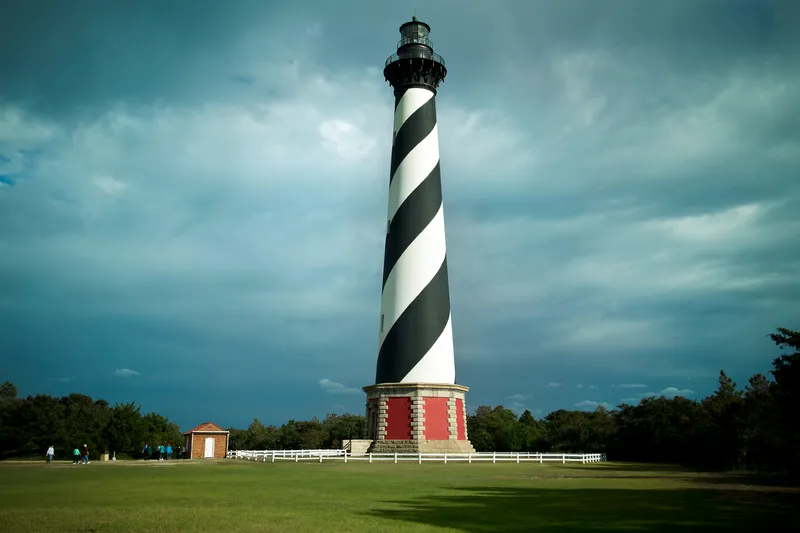
A small cluster of restaurants, surf shops, and rental houses spread along NC-12, anchored by the iconic black-and-white spiral of the Cape Hatteras Lighthouse. The energy here is outdoorsy and unhurried — more fishing rods and surfboards than cocktail bars. Step off the highway into Buxton Woods and you're in an ancient maritime forest with no one around.
Buxton is where the Outer Banks feels most like an adventure. The Cape Hatteras Lighthouse anchors the village, but it's Cape Point — the elbow of Hatteras Island where the Atlantic's two great currents meet — that defines the experience. Anglers travel from across the East Coast to fish the Point, and late fall through winter is some of the best and least crowded fishing anywhere. Surfers come for the powerful, consistent waves at the Jetties. Families come for the easy nature trails through Buxton Woods, the shallow sound-side water at Canadian Hole, and the sheer scale of the beach. Repeat visitors talk about the ritual of the beach drive out to Cape Point, the surprise of spotting wildlife in the maritime forest, and the feeling that they've reached someplace genuinely different from the rest of the OBX.
What you'll remember
A Typical Day
Families and groups who want an active, outdoorsy beach vacation — surf fishing, surfing, kayaking the sound, exploring maritime forest trails, and driving the beach between sessions. Also ideal for anglers making a pilgrimage to Cape Point, surfers chasing East Coast waves, and couples who want a quieter alternative to northern OBX with real character and lower prices. Your week will revolve around the water and the landscape, not shopping and restaurants — and that's exactly the point.
Dining options are limited — about 8-10 sit-down restaurants, several seasonal. You'll cook most meals, which means planning grocery runs to Conner's or the Avon Food Lion. NC-12 is the only road in and out, and it can flood in serious storms. North Buxton's oceanfront has experienced significant erosion, so check NPS updates before booking an oceanfront rental in that area.
Rental Pricing Guide
Median weekly · Peak summer (Jun–Aug)Full Scorecard
Right Now
Things to Do
Before You Go
Cape Hatteras Lighthouse & Surroundings
The tallest brick lighthouse in the United States at 208 feet — an iconic Outer Banks landmark. Currently closed for climbing due to restoration, but the grounds and surrounding attractions are worth the stop.
What's Here
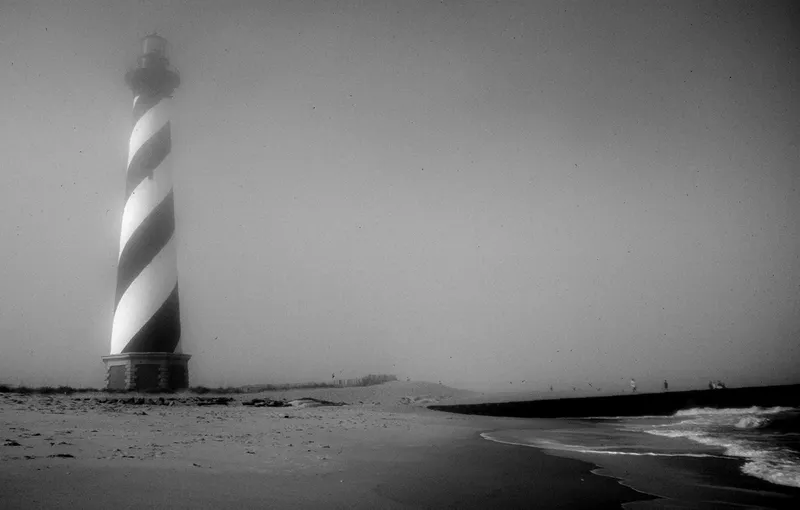
The Cape Hatteras Light Station sits on approximately 10 acres of National Park Service land in Buxton. The lighthouse is 208 feet tall (198.49 feet measured from the bottom of the foundation to the top of the pinnacle by NPS) with its distinctive black-and-white spiral daymark — the most photographed structure on the Outer Banks. The grounds include the Principal Keeper's Quarters (1870), the Double Keepers' Quarters (1854), an oil house, and interpretive exhibits. The lighthouse was famously moved 2,900 feet inland in 1999 to protect it from shoreline erosion — one of the largest structures ever relocated.
Climbing Status (2026)
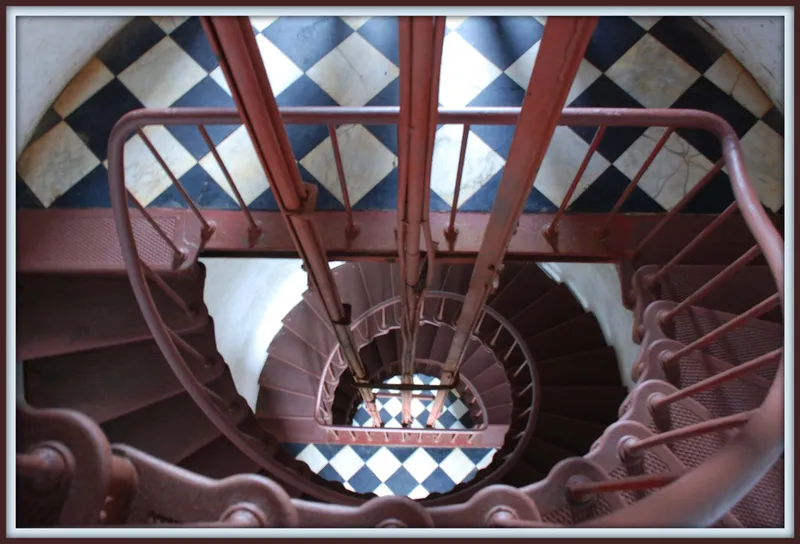
The lighthouse is closed for climbing in 2026 due to an ongoing restoration project. When it reopens, climbing is typically available from the third Friday in April through Columbus Day in October, 9 AM to 4:30 PM daily. Tickets are sold in person on the day of the climb — no advance reservations. Children must be at least 42 inches tall. A virtual tour and webcam are available on the NPS website as alternatives.
Nearby: Buxton Woods Nature Trail
A 1.75-mile self-guided loop trail through maritime forest starts from the lighthouse parking area. Dense canopy of live oaks, loblolly pines, and red cedars. Flat, easy walk — good for when you want shade after baking on the beach. The forest is part of the Buxton Woods Coastal Reserve — 1,007 acres of protected NC Coastal Reserve land, situated within the largest remaining contiguous tract of maritime forest on the Atlantic coast.
Nearby: Graveyard of the Atlantic Museum
Ten miles south in Hatteras Village, this free museum covers 500 years of shipwrecks off the Outer Banks. Recently renovated with interactive exhibits and artifacts including the original first-order Fresnel lens from Cape Hatteras Lighthouse (on loan from NPS). The museum also has exhibits related to the USS Monitor — though primary Monitor artifacts are housed at The Mariners' Museum in Newport News, VA. A family scavenger hunt runs daily. Worth combining with a lighthouse visit — drive down, see the museum, then catch the ferry to Ocracoke if you have the day.
Check restoration progress and reopening updates on the NPS site.
NPS — Cape Hatteras Light Station →Cape Point Fishing Guide
Where the Gulf Stream meets the Labrador Current — Cape Point is the most storied surf fishing spot on the Atlantic coast. Here's how to fish it.
Why Cape Point Is Special
Cape Point is the easternmost beach on the Outer Banks — a spit of sand jutting into the Atlantic where the warm Gulf Stream and cold Labrador Current collide. This creates a species crossroads unlike anywhere else on the East Coast. Fish that normally stay far offshore — cobia, king mackerel, sharks — come within casting distance. The shifting sandbars and rip currents concentrate baitfish, which concentrates everything that eats baitfish. Red drum over 50 inches are caught here every fall.
What's Biting When
The species rotation at Cape Point follows the seasons. Spring brings the first red drum and bluefish activity. Summer has Spanish mackerel, cobia, and sharks. Fall is the main event — the big red drum run from September through November draws surf anglers from across the country. Winter is quiet but striped bass appear in the surf.
Gear & Technique
Cape Point surf fishing requires heavier gear than typical beach fishing. Long casts into the slough (the trough between sandbars) are standard. The current can be strong, so heavy sinkers keep your bait in place. Most regulars run two rods on sand spikes.
Logistics
Cape Point is not a casual beach visit — it's a 4WD-only zone. Air down your tires to 15–20 PSI before entering the sand. Bring everything: water, food, sunscreen, a first aid kit. There's no shade, no facilities, and no cell service at The Point. The drive from the ramp to The Point varies with closures but can be 2+ miles on soft sand. Arrive early — the best spots fill up during fall drum season, with anglers lined up before sunrise.
Check NPS beach access status before driving out — closures change weekly.
NPS Cape Hatteras ORV Access Map →Surfing Buxton: The Best Waves on the OBX
Buxton picks up more swell than anywhere else on the Outer Banks — fast lefts, hollow beach breaks, and the closest thing to real surf on the East Coast. Not for beginners.
Why Buxton
The Outer Banks barrier islands arc up to 30 miles from the North Carolina mainland at their widest, putting Cape Hatteras farther into the Atlantic than any other point on the OBX. The cape catches north swells, south swells, and everything in between. The stone jetties near the old lighthouse site create sand-bottom breaks that produce fast, powerful lefts that can reel for hundreds of yards. When there's swell in the water, Buxton is where serious OBX surfers go.
When to Go
September through November is prime — tropical swells from Atlantic hurricanes push consistent overhead surf into the cape. Water is still warm enough for a 3/2mm wetsuit or even trunks in early fall. Spring (March–May) gets good northeast swells from nor'easters. Summer is the weakest season, but afternoon thermals and distant tropical storms still produce surf. Winter has the most powerful swells but water drops into the low 50s — you'll need a 4/3mm or 5/4mm wetsuit.
Surf Spots
Lighthouse Beach is the primary break — the area near the old jetties north of Cape Point. The jetties focus swell energy and create defined takeoff zones. South of the lighthouse, the beach facing south picks up south swells that the north-facing beaches miss. Old Frisco Pier (pilings still in the water) in neighboring Frisco creates another wave magnet worth checking when Lighthouse Beach is crowded or blown out.
Surf Shops & Lessons
Buxton has two legacy surf shops run by actual surfers. Natural Art Surf Shop has been here for decades and runs the Endless Summer Surf Camp with multi-day lesson packages. In The Eye Surfboards, founded in 1977, is one of the original Hatteras Island shops and still shapes custom boards. For lessons, beginners should start on the lifeguarded beach near the lighthouse where conditions are more forgiving. The main breaks near the jetties are not lesson-appropriate.
Live Buxton surf conditions and forecasts
OBX Surf Info →Photos